Spraying
Polyurethane Spray Coating
Spray coating is a method where polyurethane is applied by spraying an aerosol mist onto a component. It is similar to spray-painting a component, but instead of paint, a durable and corrosion-resistant polyurethane coating is sprayed on. The coating thickness can vary from a few millimeters up to several centimeters.
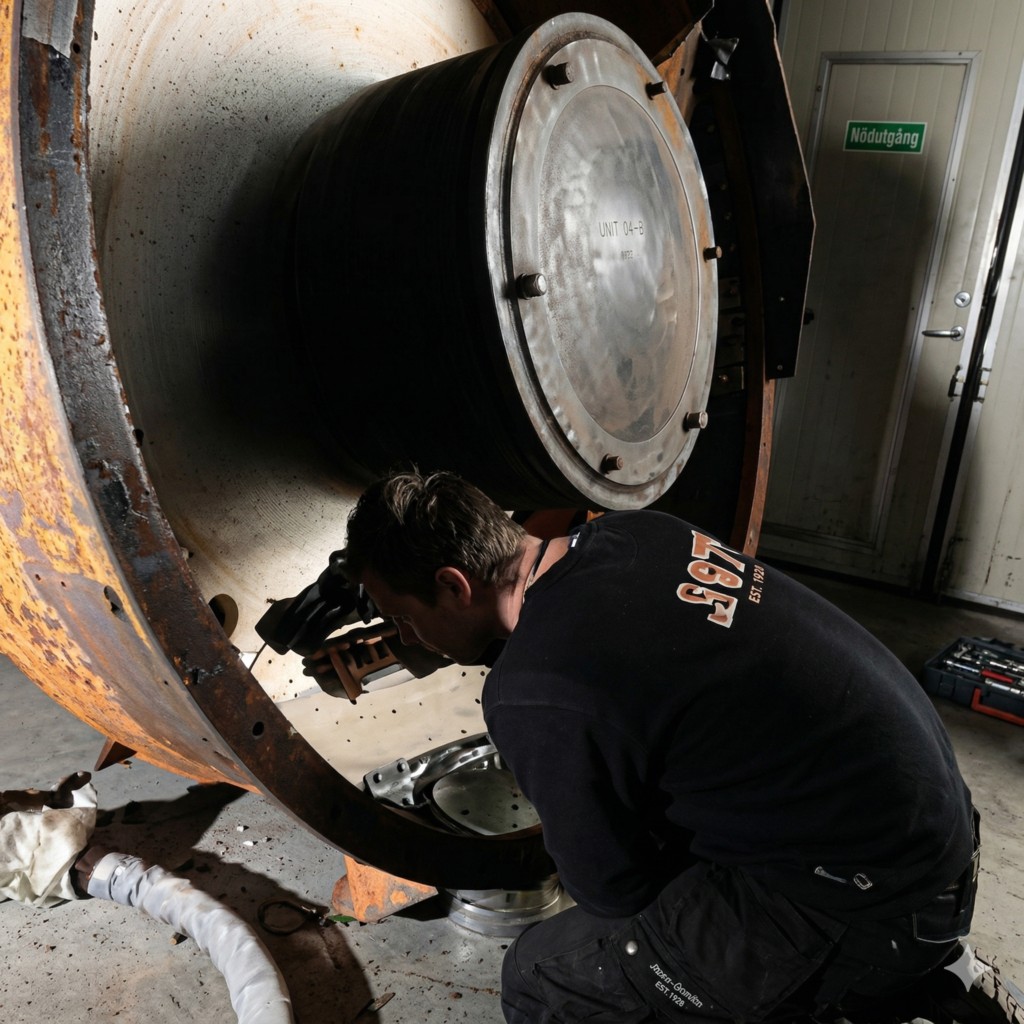
This method is, for example, highly effective for coating complex and irregular surfaces with a very durable finish. Various applications include screens, clamp blades, process equipment, tumbling barrels, lifting tools, pipe interiors, hoppers for heavy or sharp objects, and much more.
Sprayed polyurethane is also a highly successful method for coating large surfaces with a protective layer.
One of the more spectacular applications for sprayed polyurethane is the underbody of rally cars. Body parts exposed to harsh treatment and near-constant stone chipping achieve a significantly longer lifespan when the stones simply bounce off without causing any damage.
Vibratory feeders, feeder chutes, conveyors, and components with complex designs can all be coated. Lifting equipment is often coated with a thin layer to prevent damage to the items being lifted. Sound insulation and noise reduction are very positive effects of a sprayed coating in scrap conveyors or other equipment where noise is an issue.
You may prefer to read about our injection molding production method.