
Thermoplastic
TermoplasThermoplastic elastomers – elastic plastics for demanding applications
When we commonly refer to plastic, we are most often referring to thermoplastic.


Thermoplastic

When we commonly refer to plastic, we are most often referring to thermoplastic. Thermoplastic encompasses virtually all common and most prevalent plastic components.
UW-ELAST AB primarily works with a narrow niche of thermoplastic, known as thermoplastic elastomer. Polyurethane is a type of such thermoplastic elastomer, often referred to as the most high-grade.
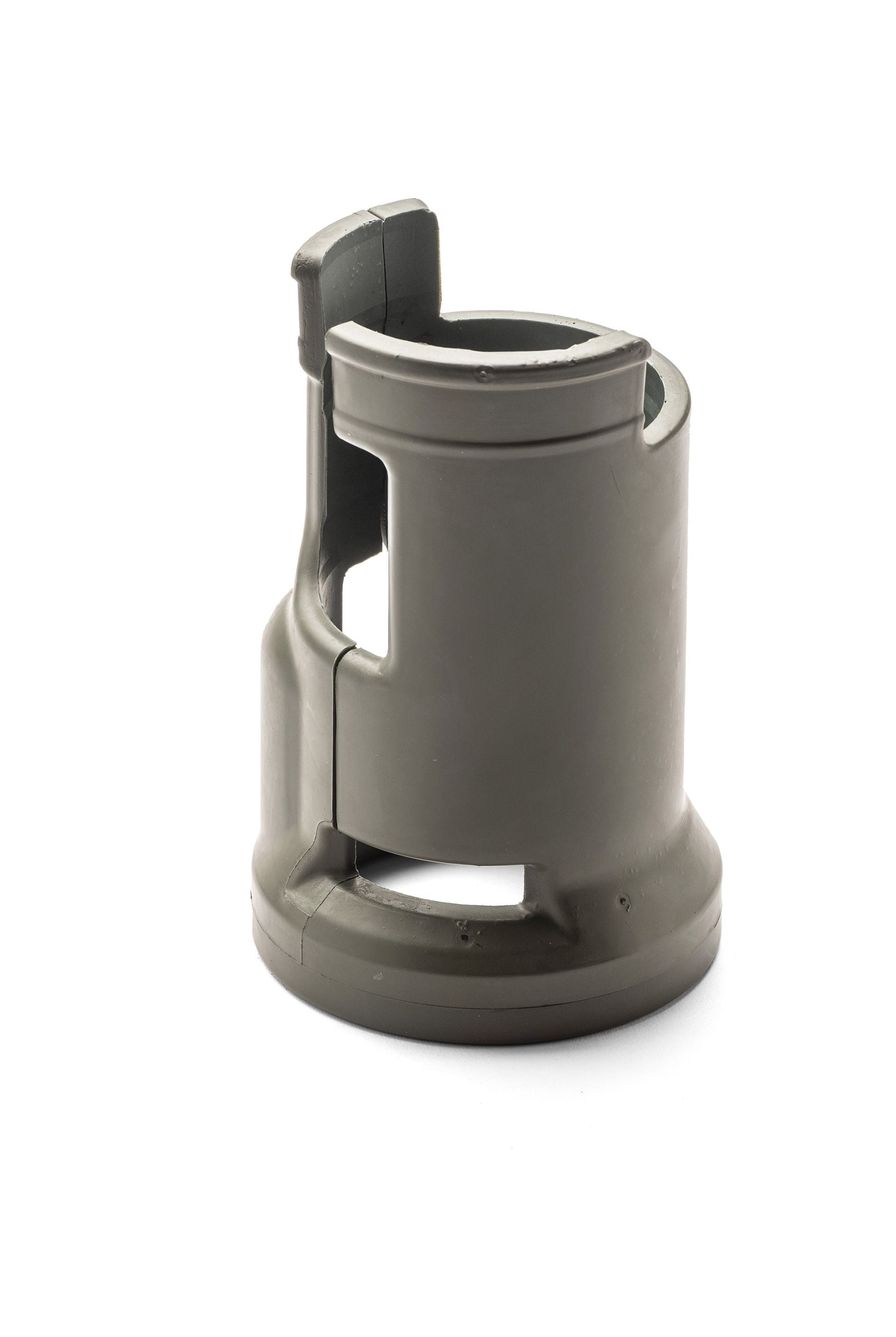
Common thermoplastic is not elastic
Common thermoplastic is not elastic
Common thermoplastic is not elastic. It has a so-called elongation at break of up to 50%. Elongation at break is a measure that describes how much the material can be stretched before it breaks.
A thermoplastic polyurethane can have an elongation at break of several hundred percent. Our most common polyurethane (TPU) with a hardness of 90 Shore A has an elongation at break of close to 500%.
Elastic memory
If a traditional thermoplastic is subjected to a load, the deformation will persist to some extent after the load is removed. If, on the other hand, a product made of polyurethane (TPU) is loaded, it exhibits elastic memory. After the load is removed, the material returns to its original shape.
Thermoplastics, or plastics, can therefore encompass a wide variety of materials.